


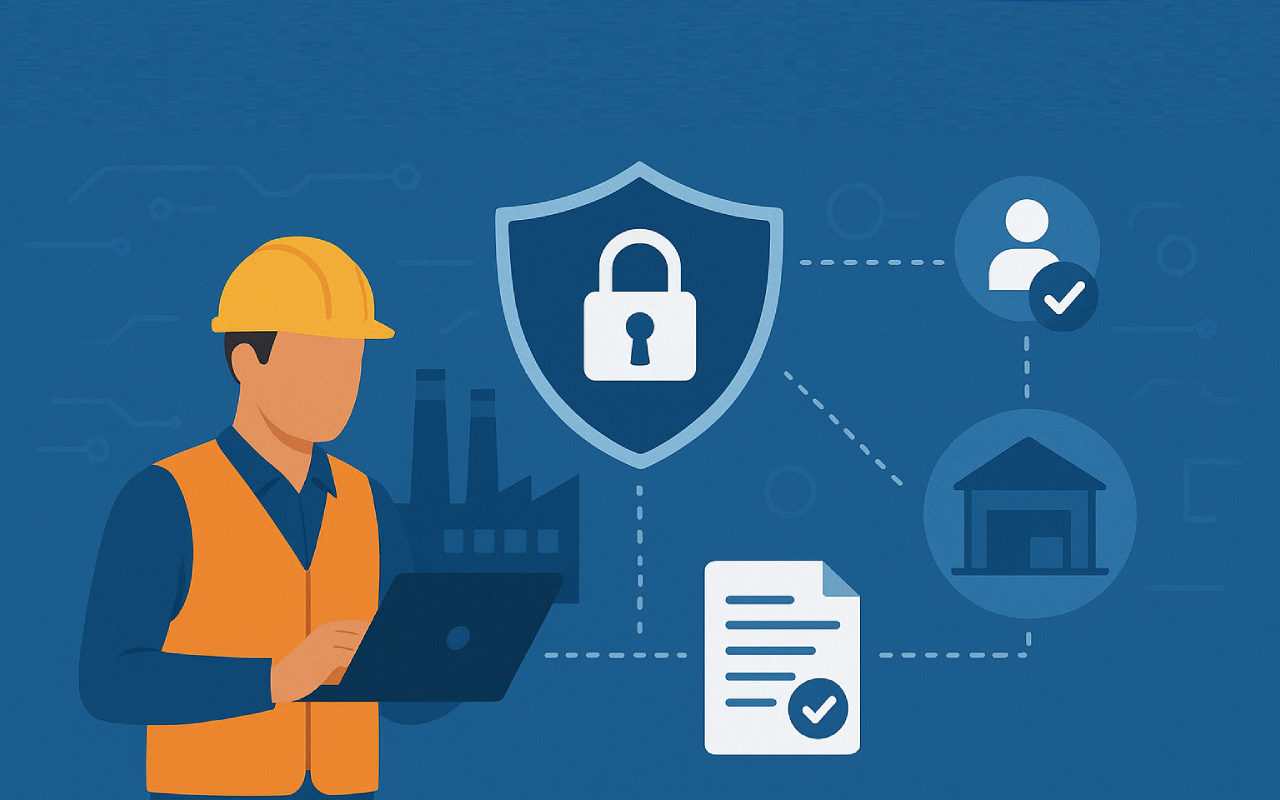
In 2025, supply chain cybersecurity has become essential for managing vendor risk and protecting enterprise resilience.
Cybersecurity is no longer just about protecting your own company’s networks and systems. Today’s enterprises operate in complex ecosystems where suppliers, vendors, and partners play vital roles. While these relationships enable efficient operations and innovation, they also introduce risks. Attackers increasingly exploit vulnerabilities in third-party suppliers to gain access to larger targets, as seen in high-profile breaches in recent years.
For organizations in 2025, managing supply chain cybersecurity risks is essential to safeguarding business continuity, complying with regulations, and protecting customer trust. This article explores the importance of supply chain security and practical steps enterprises can take to reduce vendor-related risks.
Understanding Supply Chain Cybersecurity
Supply chain cybersecurity refers to the safeguards put in place to manage and mitigate risks that arise from third-party relationships. These risks include compromised software or hardware, insecure cloud services, poor vendor controls, and more.
Cybercriminals often target vendors with weaker defenses, using them as entry points to attack their clients. This “trust exploitation” can have devastating consequences.
Recent Supply Chain Breaches Highlight the Risks
- The 2020 SolarWinds attack compromised thousands of organizations through trusted IT software updates.
- Subsequent breaches involved popular cloud service providers, hardware manufacturers, and managed services firms.
- These attacks typically involve sophisticated, multi-stage campaigns designed to remain undetected.
Key Risk Areas in Supply Chains
- Inadequate Vendor Security Controls
- Lack of Visibility
- Complex Third-Party Ecosystems
- Absence of Contractual Security Requirements
- Delayed Incident Reporting
- Shadow IT
Why Supply Chain Security Matters
- Loss of confidential data
- Regulatory penalties and fines
- Extended business disruptions
- Damage to brand reputation and customer trust
- Financial losses through fraud or theft
Regulators around the world increasingly demand organizations demonstrate control over third-party risks as part of compliance frameworks.
Risk Management Best Practices for 2025
Develop a Third-Party Risk Program
Centralize management of suppliers through a dedicated program that defines standards, responsibilities, and workflows for vendor security.
Conduct Vendor Assessments
Use questionnaires, audits, and technical assessments to evaluate security controls before onboarding and regularly during the relationship.
Implement Continuous Monitoring
Employ automated tools to monitor vendor activity, security ratings, and emerging threats.
Establish Clear Contracts
Include detailed cybersecurity requirements, breach notification timelines, audit rights, and indemnification clauses.
Foster Vendor Awareness and Training
Share best practices and security expectations with suppliers to improve their security posture.
Integrate Supply Chain Data
Incorporate vendor risk metrics and reports into enterprise security dashboards.
Plan Incident Response
Ensure incident response plans detail how to handle third-party breaches.
The Role of Managed Security Services
Many enterprises partner with managed security providers to handle supply chain risk monitoring, assessments, and incident response coordination. MSSPs bring scalability, expertise, and technology to achieve more thorough vendor security management.
Real-World Example
A US-based financial institution oversees thousands of service providers. After several promptings from regulators, it launched a comprehensive third-party risk program with MSSP support. This included standardized questionnaires, continuous security ratings, and contract updates enforcing stricter cybersecurity requirements. The institution reduced supply chain risk significantly and gained regulatory confidence.
Supply chain security is a critical, ongoing effort well beyond simple vendor background checks. The complex and dynamic risk landscape demands structured programs, strong contracts, and continuous monitoring. Enterprises that prioritize supply chain cybersecurity protect themselves from costly breaches, maintain regulatory compliance, and build trust with partners and customers.
In 2025, managing vendor risk is no longer a choice—it’s essential to modern business resilience.