


In 2025, social engineering attacks are becoming harder to detect as cybercriminals now leverage deepfake technology to deceive individuals and businesses.
Cybercriminals are always finding new ways to trick individuals and businesses. One of the most alarming recent developments is the use of deepfake technology — synthetic media where faces, voices, or videos are convincingly altered to impersonate someone else. Deepfakes raise the stakes for social engineering attacks, making scams more believable and harder to spot.
In 2025, organizations must strengthen their defenses not just by technology but by empowering employees and leaders to recognize and respond appropriately to these tricky tactics. This article covers what deepfakes are, why they’re dangerous, and the best ways for businesses to build awareness and resilience.
What Is Social Engineering?
Social engineering is a type of cyberattack that manipulates people into divulging confidential information or performing actions that harm security. This includes phishing emails, fake phone calls, baiting, and impersonation.
Attackers rely on human trust and psychology rather than technical exploits, making social engineering attacks extremely effective.
The Problem with Deepfakes
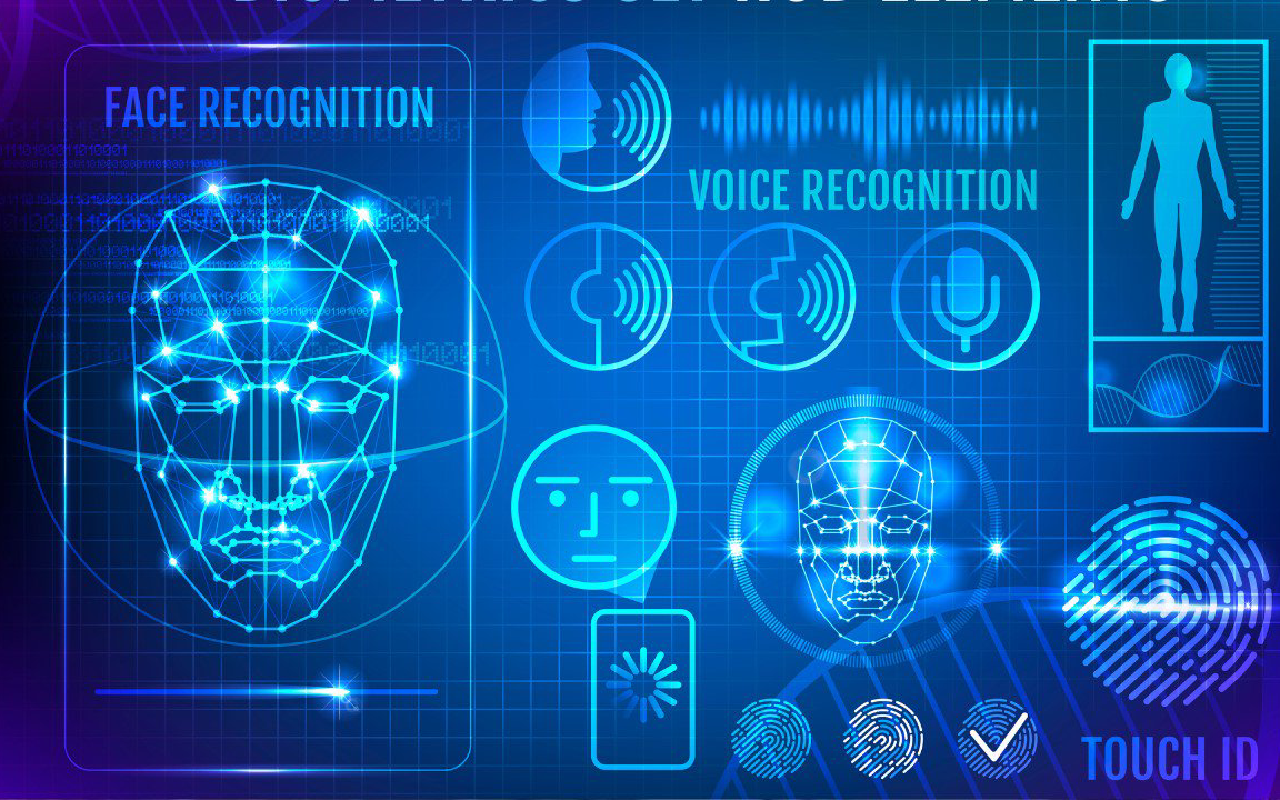
Deepfake technology uses artificial intelligence to create highly realistic but fake images, audio recordings, and videos. For example:
- An email appearing to come from your CEO asking for urgent fund transfers.
- A video message from a trusted partner requesting sensitive data.
- A fake voice call from IT support asking for your password.
Examples of Deepfake Attacks
- In 2024, a UK-based energy company was tricked into transferring €220,000 after a fraudster used deepfake audio to impersonate the CEO’s voice.
- Fraudsters have impersonated executives in video meetings to ask for financial information or introductions.
- Deepfake videos spread disinformation that harms brands and causes confusion inside organizations.
Why Awareness Training Programs Matter
Technology tools alone cannot stop all social engineering or deepfakes. Human awareness is critical to resist these attacks. Training programs help employees understand the risks, recognize warning signs, and respond correctly.
- Clear, simple explanations without jargon
- Real-world examples and case studies
- Interactive scenarios and role-playing
- Regular refresher sessions to keep knowledge current
Key Awareness Topics for 2025
Spotting Suspicious Communications
Teach employees to verify unexpected requests for money or data, especially from senior executives or partners. Encourage questioning and double-checking.
Recognizing Social Media Risk
Attackers often gather personal details from social media to craft more believable attacks. Train staff to limit sharing sensitive info online.
Handling Urgent Requests
Scammers pressure employees to act quickly. Awareness training helps individuals pause and confirm before responding.
Verifying Identities
Encourage use of secondary communication channels (phone calls, in-person) to confirm identity when in doubt.
Incident Reporting
Create easy processes for employees to report suspicious activities without fear of blame.
Complementing Training with Technology
- Email filtering to catch phishing attempts
- Voice and video verification solutions
- Behavioral analytics to detect anomalies
- Incident response automation
Together, tech and training provide a stronger shield.
Building a Security-Conscious Culture
Effective social engineering defense requires a culture where security is everyone’s responsibility. Leadership support, clear policies, and recognition for good security behavior help build this culture.
Deepfake attacks represent a new frontier in social engineering — more believable, more urgent, and potentially more damaging. But businesses are not powerless. By educating teams, fostering healthy skepticism, and combining awareness with technology, organizations can significantly reduce the risk.
In 2025, staying ahead of social engineering requires vigilance, preparedness, and people who know what to look for and how to respond. Empower your workforce with the right training today to safeguard your business tomorrow.