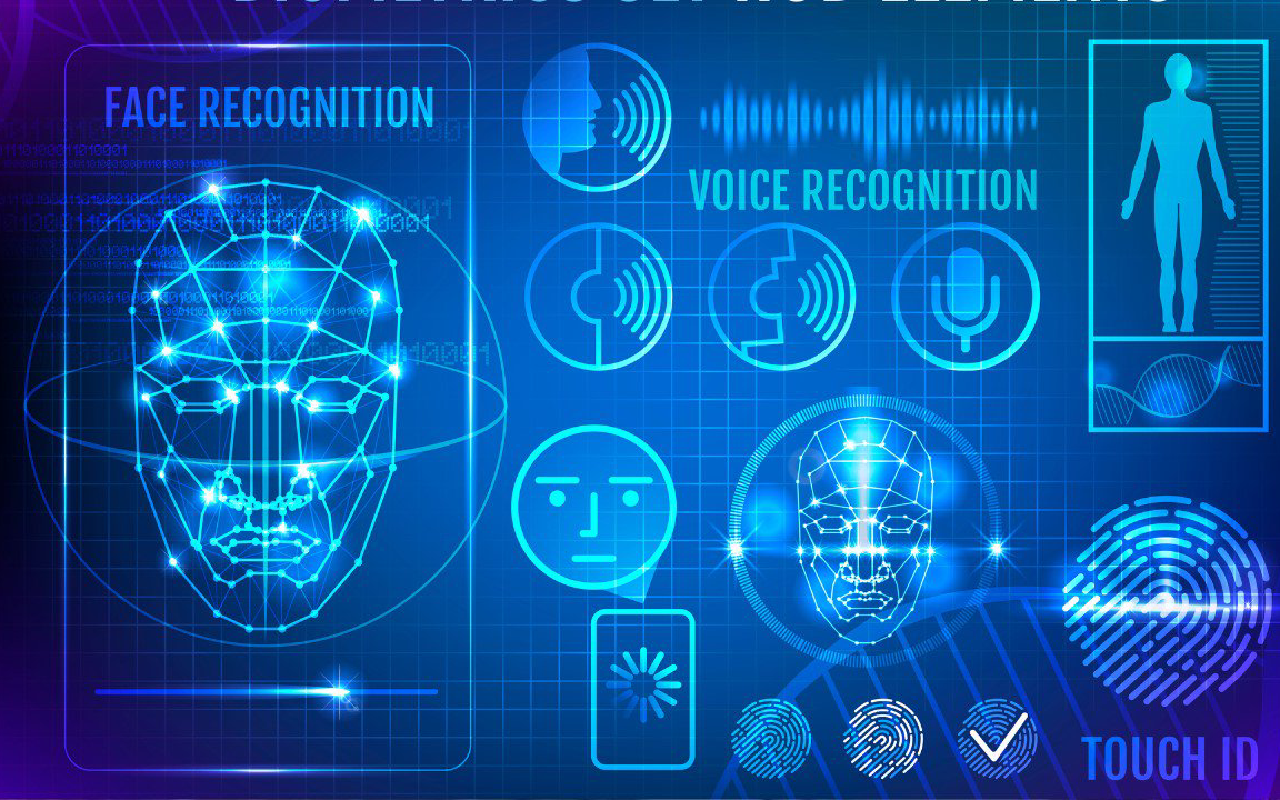
In 2025, social engineering attacks are becoming harder to detect as cybercriminals now leverage deepfake technology to deceive individuals and businesses. Cybercriminals are always finding new ways to trick individuals and businesses. One of the most alarming recent developments is the use of deepfake technology — synthetic media where faces, voices, or videos are convincingly...
Supply Chain Security: Lessons from SolarWinds to 2025
In 2025, supply chain security remains one of the most pressing and challenging cybersecurity issues for enterprises. In recent years, cyberattacks have increasingly targeted supply chains and third-party vendors as a way to bypass traditional enterprise security. The SolarWinds breach, discovered in late 2020, was a major wake-up call for businesses worldwide. The attack compromised...
Why 24/7 Threat Detection Is Non-Negotiable for Modern Businesses in 2025
In 2025, 24/7 threat detection has become a non-negotiable requirement for modern businesses. In today’s world, businesses operate around the clock. With employees working remotely, cloud services running continuously, and customers engaging online anytime, cybersecurity risks no longer stick to office hours. Attackers understand this well and choose times when defenses are weakest—often nights, weekends,...
Supply Chain Cybersecurity: Why Managing Vendor Risk Is Essential in 2025
In 2025, supply chain cybersecurity has become essential for managing vendor risk and protecting enterprise resilience. Cybersecurity is no longer just about protecting your own company’s networks and systems. Today’s enterprises operate in complex ecosystems where suppliers, vendors, and partners play vital roles. While these relationships enable efficient operations and innovation, they also introduce risks....
DevSecOps: Integrating Security into Rapid Software Development
In 2025, DevSecOps has become essential for integrating security into rapid software development. Software development today is faster and more complex than ever. Agile and DevOps practices help businesses respond quickly to customer needs and market changes. However, increased speed also brings new risks—security can be overlooked, making applications vulnerable to attacks. To address this,...
Security Awareness Training: New Topics for Today’s Remote Workforce
Security Awareness Training is more important than ever as the way we work has changed dramatically. Remote and hybrid work models have become the norm, with teams spread across cities, countries, and continents. While this flexibility brings many advantages, it also introduces new cybersecurity risks. Employees outside the traditional office environment face different threats and...
Protecting Operational Technology with OT Cybersecurity in 2025
Operational Technology (OT) refers to the hardware and software systems that control physical devices, equipment, and processes in industries like manufacturing, energy, transportation, and utilities — and OT cybersecurity plays a critical role in protecting these systems. Unlike traditional IT systems, OT environments interact with machinery and critical infrastructure, making security breaches potentially dangerous for...
Navigating New Regulatory Challenges: DORA, NIS2, and Global MSSP Compliance in 2025
As global regulatory pressure increases, MSSP compliance has become a critical priority for organizations aiming to meet standards like DORA, NIS2, and other emerging security laws. For businesses today, following regulations is just as important as strong passwords and firewalls. Governments across the world have introduced new laws to protect personal data, ensure business integrity,...