



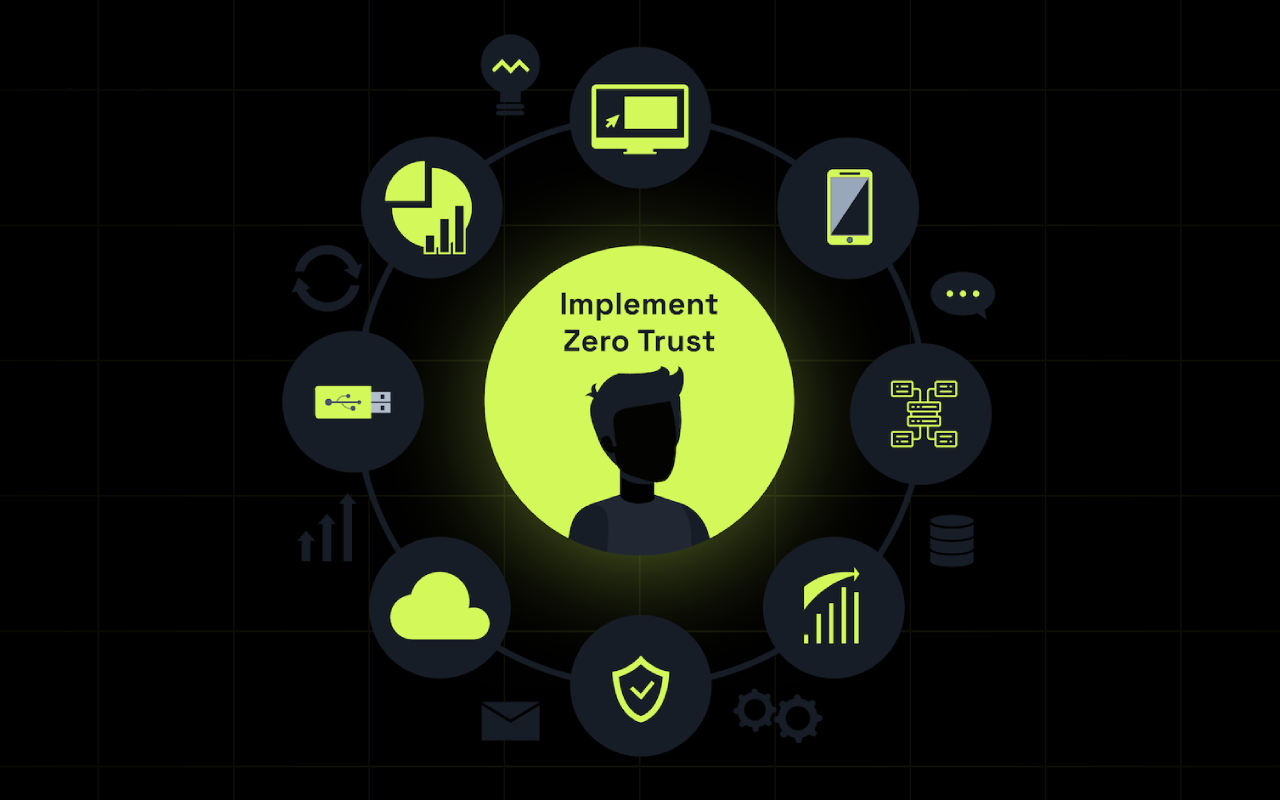
In 2025, Zero Trust is at the center of modern enterprise security strategies as threats continue to evolve.
Cyber threats continue to grow in number and complexity, changing the way businesses think about protecting their digital assets. Traditional network security models—based on trusting users once they are inside the corporate network—have proven insufficient in stopping breaches. Enter Zero Trust, a security model designed for the realities of today’s interconnected, multi-cloud, and remote work environments.
In 2025, it has become a cornerstone of enterprise cybersecurity strategies worldwide. This article explores the principles behind this model, why it’s essential for modern businesses, and how to implement it step-by-step to improve security without sacrificing productivity.
What Is Zero Trust?
Zero Trust means “never trust, always verify.” It overturns the old idea that anything inside the corporate network is safe simply because it’s behind a firewall. Instead, every person, device, and access request is considered untrusted until proven otherwise.
By continuously verifying identities, limiting access rights, and monitoring behavior, Zero Trust reduces the risk of breaches spreading and limits damage if a breach occurs. It provides strong, flexible protection for modern, hybrid IT environments.
Why Zero Trust Matters in 2025
- Remote Work: With employees often working remotely or from multiple locations, the network perimeter no longer exists.
- Cloud Services: Businesses use multiple cloud vendors, increasing complexity and expanding access points.
- Sophisticated Threats: Attackers use subtle methods to infiltrate networks—once inside, they exploit blind spots with traditional defenses.
- Regulatory Pressure: Data protection laws require organizations to demonstrate strong risk management and access controls.
Zero Trust addresses these issues by focusing on granular access controls and continuous validation rather than trusting implied by network location.
Core Principles of Zero Trust
- Verify Explicitly: Always authenticate and authorize based on all available data points.
- Least Privilege Access: Give users and devices only the minimum permissions needed to do their job.
- Assume Breach: Design security in a way that assumes attackers have already gained access and limit lateral movement.
Step-by-Step Zero Trust Implementation
Identify Critical Assets and Data
Begin by mapping out which systems, applications, and data are most critical to your operations. Understanding what to protect guides your policies and focus areas.
Map the Transaction Flows
Study how data moves between users, devices, applications, and networks. This helps identify which access points require the strictest controls.
Build a Strong Identity Foundation
Implement strong authentication methods like multi-factor authentication (MFA) and ensure your identity management systems are secure and centralized.
Enforce Least Privilege Access
Adopt role-based access control (RBAC) to grant minimum necessary rights. Adjust permissions as roles or needs evolve.
Continuously Monitor and Log Activity
Deploy monitoring tools that detect suspicious deviations from normal patterns. Logs and telemetry help with real-time threat detection and post-incident analysis.
Segment Networks and Applications
Use network segmentation and micro-segmentation to isolate sensitive resources, limiting how far attackers can move if they compromise a user or device.
Automate Enforcement
Where possible, automate access decisions and responses using policy engines and security orchestration workflows. This reduces delays and human error.
Regularly Review and Update
Zero Trust is not “set and forget.” Continually tweak policies, review logs, and adjust controls as your environment and threat landscape evolve.
Benefits of Zero Trust
- Improved Security Posture: Reduced unauthorized access and faster breach detection.
- Better User Experience: Context-aware policies can simplify user access rather than complicate it.
- Compliance Support: Easier to meet requirements for data protection laws and frameworks.
- Operational Resilience: Limits the scope of security incidents and reduces risk.
Challenges Enterprises May Face
- Complexity of existing IT infrastructure
- Balancing security with user convenience
- Integration of diverse systems and cloud services
- Required investment in new tools and training
Partnering with experienced security providers can ease these challenges and accelerate implementation.
Real-World Example
A large retailer implemented a Zero Trust strategy following increasing cyberattacks targeting customer data. By adopting MFA, segmenting their network, and monitoring access patterns, they prevented multiple intrusion attempts and maintained customer trust even during attempted breaches.
Zero Trust is not just a trend—it’s a vital approach for securing the modern enterprise in 2025. By carefully implementing its principles step-by-step, organizations can protect their systems more effectively while supporting flexible and agile business models. Whether your company is just beginning or looking to strengthen existing defenses, Zero Trust provides a clear path forward.