


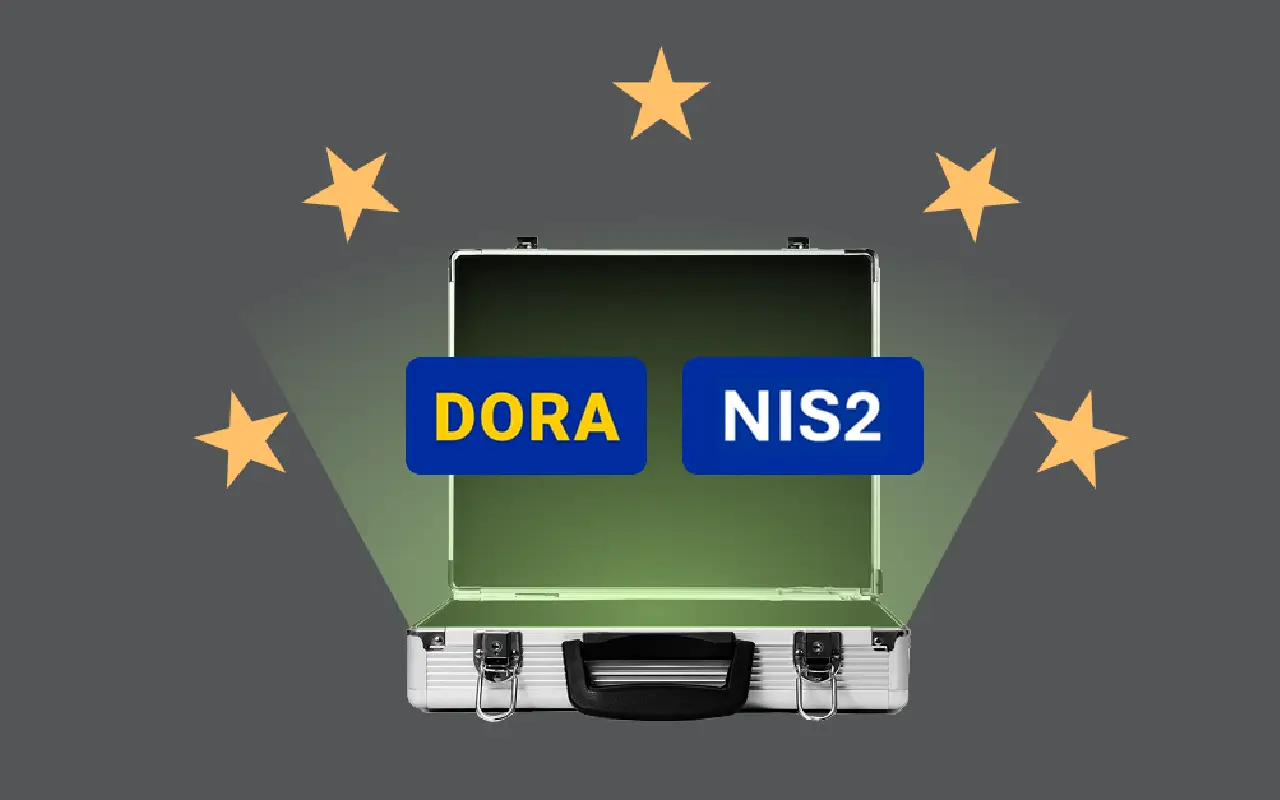
As global regulatory pressure increases, MSSP compliance has become a critical priority for organizations aiming to meet standards like DORA, NIS2, and other emerging security laws. For businesses today, following regulations is just as important as strong passwords and firewalls. Governments across the world have introduced new laws to protect personal data, ensure business integrity, and reduce cyber risks. In 2025, two of the most important regulations in Europe are DORA (Digital Operational Resilience Act) and NIS2 (Network and Information Security Directive). But compliance isn’t just about checking boxes — it’s about building reliable habits that protect your business, partners, and customers.
Managed Security Service Providers (MSSPs) help businesses of all sizes meet these regulations without getting lost in legal details. In this article, you’ll learn what DORA and NIS2 require, why they matter globally, and how an MSSP can make compliance simpler, safer, and more affordable.
The Growing List of Security Rules
New rules continue to pop up every year. Many are designed to stop criminals from stealing personal data, money, or secrets from both big businesses and regular people. Following the rules isn’t just about avoiding fines. Often, it’s also about winning the trust of clients and partners.
- DORA mostly affects financial institutions, banks, and insurance providers across the European Union. Its goal is to help them keep running—even if cyberattacks, system failures, or disasters hit.
- NIS2 is focused on essential services like energy, water, transportation, healthcare, and digital service providers. It demands extra security and reporting from companies involved in these critical sectors.
Other countries, including the United States, India, and many in Asia, have added their own rules. Many overlap, but each has its unique demands and strict deadlines.
What DORA and NIS2 Expect from You
DORA and NIS2 have clear, practical expectations for businesses.
DORA Requires:
- Testing and improving system resilience regularly.
- Keeping critical business functions running, even during an attack.
- Strong oversight when using third-party technology suppliers.
- Detailed plans for responding to incidents and reporting them quickly.
NIS2 Demands:
- Strong security for networks and information systems.
- Fast reporting of serious incidents (sometimes within 24 hours).
- Employee awareness and training on security practices.
- Managing supplier and partner risk—not just your own systems.
If your company falls under these rules, you need to clearly show regulators that you are doing all of this—and prove it with records, regular tests, and reports.
The Risks of Falling Behind
Ignoring or missing regulatory steps comes with big risks. Besides the possibility of large fines, your business might lose contracts, struggle to get insurance, or suffer damage to reputation if found out of compliance. Even a single missed report or delayed response to an incident can snowball into bigger problems.
How MSSPs Make Compliance Easier
In 2025, businesses rely on MSSP compliance expertise to stay aligned with regulations like DORA, NIS2, and other global standards.
Trying to meet new rules in-house can mean extra work, specialized software, and hiring new staff. Many smaller companies can’t afford this. That’s where an MSSP steps in. Here’s how they help:
Regular Monitoring and Testing
MSSPs set up continuous monitoring to watch for weaknesses or failures in your systems. They run scheduled drills to check if your defenses hold up against real threats.
Clear Record Keeping
Providers keep logs and records of activity, incidents, tests, and actions taken, simplifying proof for audits and regulators.
Fast Incident Response
If something does happen, the MSSP responds right away—blocking threats and keeping a record of actions for any required reporting.
Supplier and Partner Checks
MSSPs can also screen and monitor your vendors, making sure your business stays protected even if you rely on others for IT or data services.
Staff Training and Awareness
Many providers offer training modules or workshops that help your employees spot and avoid common threats, clearing another hurdle for compliance.
Centralized Documentation
With a service provider, all activity is tracked in one place. This makes preparing for audits quick and stress-free.
Steps Your Business Can Take Today
- Know the rules: Identify which laws or regulations apply to your business and industry.
- Assess your situation: Review your current IT and security practices. Where are the gaps?
- Choose a partner: Pick an MSSP with a good track record in your industry and a strong understanding of compliance requirements.
- Document everything: Keep clear records of all your efforts, from system updates to employee training.
- Review regularly: Set up annual or semi-annual reviews to keep up with changing laws and threats.
Real-World Example
A local healthcare provider in Europe recently expanded its operations online. Because it now handles sensitive patient data and depends on cloud services, it’s expected to meet both NIS2 and national privacy rules. By working with an MSSP, the provider built a simple but robust protection plan—covering network defenses, staff training, and regular reporting. It passed its audit with flying colors, avoided fines, and now advertises its security posture as a selling point for patients and partners.
Regulations might sound like just another business headache, but in truth, they protect you, your employees, and your customers. Keeping up with DORA, NIS2, and similar rules can be a challenge, especially as the legal landscape continues to shift. Partnering with the right security service takes much of the weight off your shoulders, ensuring your business not only plays by the rules, but is genuinely safer in today’s connected world.